

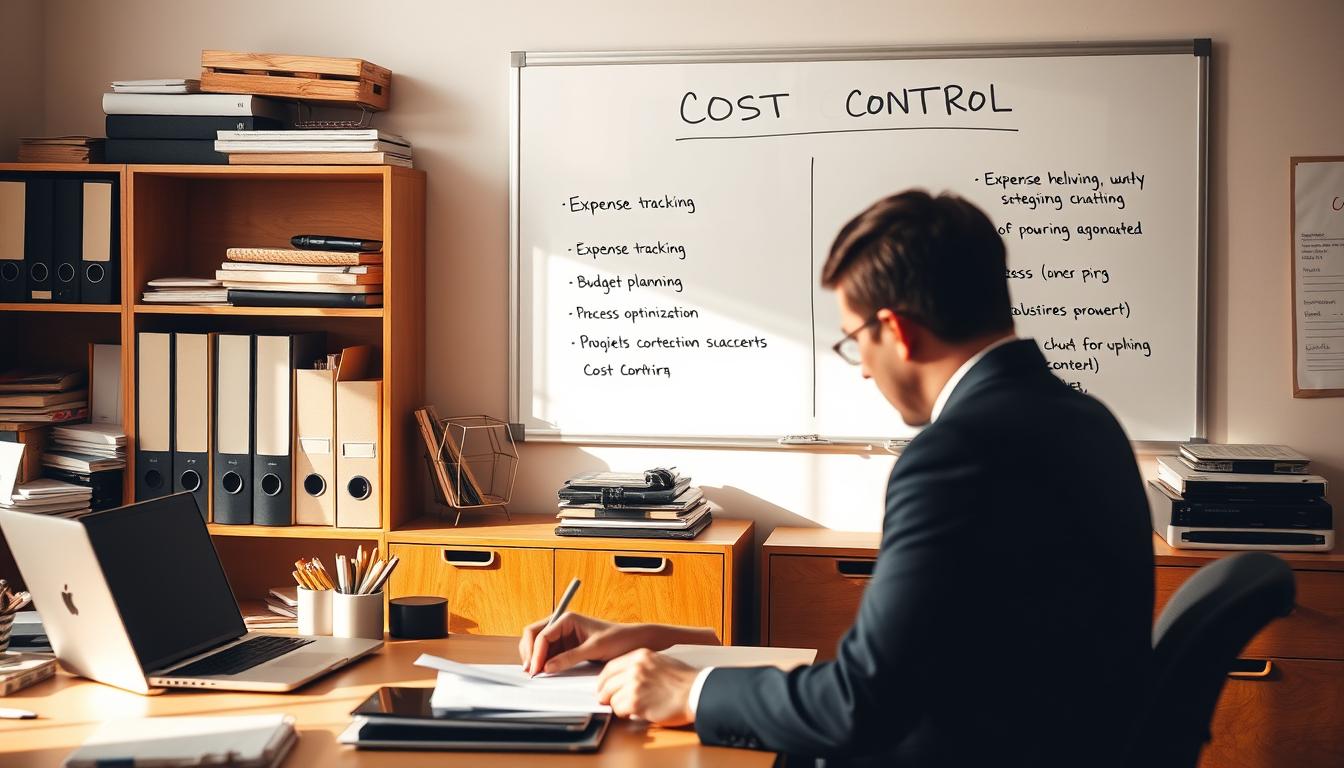
In today’s competitive world, it’s key for your UK small business to control costs well. By improving your financial performance, you can use many techniques to manage your budget better. This article will show you how to manage expenses for small businesses in the UK. It will help you make your operations more efficient, cut waste, and grow sustainably.
Table of Contents
Key Takeaways
- Understanding cost optimization can help improve your business’s financial health.
- Regularly monitoring your budget is essential for identifying areas of possible savings.
- Analyzing fixed and variable costs is critical for effective cost control techniques.
- Engaging employees in cost management fosters a culture of financial awareness.
- Utilizing technology can lead to significant reductions in operational expenses.
- Renegotiating contracts can present opportunities for improved financial efficiency.
Understanding Cost Optimization for Small Businesses
Cost optimization is key for small UK businesses to use their money wisely. It means looking closely at all costs to find ways to save. By cutting down on unnecessary spending, you can keep quality high while saving money.
What is Cost Optimization?
Cost optimization is about making your business more profitable by cutting costs. It means looking at where you spend money and finding ways to save without lowering quality. This way, you can use more money for growing your business. It makes your business stronger and more flexible in a competitive market.
Benefits of Cost Optimization
Cost optimization brings many benefits, not just saving money. It helps improve cash flow, letting you invest in new chances or keep funds for emergencies. It also helps you make smarter budgets by understanding your costs better. This gives you an edge over competitors.
Using automated budgeting tools can help a lot. Research shows they can cut down on mistakes.

The Importance of Budget Monitoring Tools
For small businesses in the UK, budget monitoring tools are key to financial health. They let you track your spending and compare it to your budget. This way, you can make smart, data-based decisions to improve your finances.
How Budget Monitoring Tools Work
Budget monitoring tools look at your financial data to show income and expenses. They help you sort out where money goes, making it easier to spot where you can save. These tools also work with accounting software, alerting you to any financial issues and helping you fix them fast.
Top Budget Monitoring Tools for UK Businesses
- Xero – A user-friendly option that streamlines invoicing, expense tracking, and budgeting.
- Quickbooks – Offers complete financial planning solutions, including real-time cash flow analysis.
- Float – Great for forecasting, helping you see cash flow and plan for future needs.
- FreshBooks – Focuses on client billing and budget tracking to boost cash flow.

Cost Control Techniques for UK Small Business
Keeping costs under control is key to your business’s success. By looking at fixed and variable costs, you can find ways to boost your profits. Fixed costs, like salaries and rent, don’t change, no matter how much you produce. On the other hand, variable costs, like raw materials and shipping, do change with production or sales.
Knowing the difference between these costs is the first step in controlling costs for your UK small business.
Analyzing Fixed vs. Variable Costs
Start by examining your expenses closely. By comparing fixed and variable costs, you can see where you can make changes. For example, you might renegotiate your rent or find cheaper suppliers. These steps can help lower your costs.
Regular checks can also help you save money without hurting your business’s core activities.
Identifying Waste and Inefficiencies
Regular audits are important for spotting waste and inefficiencies. Unused software or redundant services can be a big financial burden. Asking your team for feedback can help find these issues, as they often see things that others miss.
By making your processes more efficient and using resources better, you can cut costs. Look into different ways to control costs and always aim to improve.

Expense Management Strategies to Boost Efficiency
Smart expense management is key for your small business. Tracking expenses well helps you see where money goes. This lets you make choices that save a lot. Using these strategies can change how you manage money and increase profits.
Tracking Expenses Effectively
Keeping an eye on your spending is important. Modern tools help track and organize your money. They let you focus on what really adds value.
Using software for this can make things easier. It gives you insights that help your business grow. For more tips, check out cost-saving ideas for small businesses.
Implementing Cost Control Practices
It’s vital to control costs to meet your goals. Reviewing your budget often can show where to cut. This lets you quickly adapt to changes.
Creating a culture of watching costs helps your business grow. Look into effective cost control methods for better money management.

Financial Optimization Tactics for Sustained Growth
Using smart financial tactics can really boost your business’s profits and keep it going strong. It’s key to pick investments that save money in the long run. Many companies see big gains by using new tech and training their teams better.
Matching your spending plans with your business goals helps make better financial choices. This approach supports growth.
Investing Wisely in Cost Reduction
Smartly spending on cutting costs is a big part of financial optimization. Look for regular expenses like subscriptions and contracts with suppliers. You might be able to get better deals or cut out things you don’t need.
For example, using tools to manage licenses can save a lot of money. Also, cloud-based solutions are often cheaper and grow with your business. They help you stretch your budget without sacrificing quality, as explained in this article.
Aligning Cost Strategies with Business Goals
It’s important to make sure your cost plans match your business goals. By focusing on important financial metrics, you can see how well you’re doing. This helps you tweak your plans to stay on track.
This way of planning not only boosts innovation but also keeps customers happy. For businesses wanting to make more money, using smart financial tactics, as shown in this guide, leads to better choices.

| Cost Reduction Strategy | Potential Savings | Impact on Efficiency |
|---|---|---|
| Renegotiating Contracts | Up to 9.2% | Improves cash flow management |
| Utilizing Accounting Software | 200% return in first year | Streamlines financial tracking |
| Optimizing SaaS Licenses | 30% on costs | Enhances resource allocation |
Expenditure Reduction Methods for Your Business
Effective ways to cut costs can greatly improve your business’s finances. Small businesses can often renegotiate contracts to save money. Looking for better deals or bulk discounts can lead to big savings.
It’s also key to use technology to save money. New software can make your business run smoother and more efficiently. This way, you can keep productivity high while cutting costs.
Reviewing and Renegotiating Contracts
Checking your contracts with suppliers regularly is important. It helps you find areas to negotiate and save money. Talking to service providers can lead to better rates or terms.
This approach keeps you competitive and can save you money. It’s a smart way to manage your spending.
Leveraging Technology for Cost Savings
Using technology is essential for cutting costs. Cloud-based solutions can help manage resources and save on service costs. Modern tools can automate tasks and improve workflow, reducing labor costs.
Investing in technology boosts your business operations. It also helps you save money in the long run.

Smart Cost-Cutting Approaches
In today’s competitive world, smart cost-cutting can boost your business’s profits. Start by looking at spending that doesn’t help your main goals. For instance, cut down on non-essential travel or reduce marketing costs. These cuts can save a lot without hurting your business’s quality.
Eliminating Discretionary Spending
Getting rid of unnecessary spending is key to a better budget. Focus on what’s really important and cut the rest. This way, you can use your money better. Getting your team involved can also bring new ideas for saving money.
Optimizing Supply Chain Costs
Improving your supply chain costs is important for managing expenses. Look at your suppliers and logistics to find ways to save. Maybe get better shipping deals or find cheaper suppliers. Regularly checking your supply chain can make your business more efficient and save money.

For more tips on managing costs, check out these resources on cutting down on business expenses.
Creating a Culture of Cost Awareness
In today’s business world, it’s key to have a culture that focuses on costs. This means everyone in the company is part of the financial talks. It helps them see how their work impacts the company’s spending.
Getting your team involved in managing costs makes them feel more responsible. They start to see their role in reaching budget goals.
Engaging Employees in Cost Management
When employees join in on financial talks, they spot ways to save money. Engaging them in cost management brings in different views that help make better choices. It also makes them feel important for their input.
Building Accountability Across Teams
Being accountable is vital for a cost-aware culture. Teams track their performance against budget goals. This shows them how they contribute to the company’s financial health.
This teamwork spirit pushes everyone to work together for financial goals. Frontline workers share insights on daily operations. This helps make the budget more accurate and relevant.
Investment in Technology for Financial Efficiency
Investing in technology is key for small businesses to improve financially. It automates routine tasks, making operations smoother. This reduces costs and errors, leading to better accuracy and productivity.
With the right technology, your business can thrive. It’s all about choosing the right tools for your needs.
Automating Routine Tasks
Automating tasks saves time and resources for your team. Using software for invoicing, inventory, and customer management optimizes workflows. It lets employees focus on important tasks, boosting efficiency.
Businesses that automate quickly see benefits. They get more from their technology investment.
Choosing Cost-Effective Solutions
It’s important to pick affordable technology options. Look for scalable, easy-to-integrate platforms. Choose ones with flexible pricing to fit your budget.
Using the right tools saves money and improves resource use. This leads to a more profitable future for your business.
Conclusion
Successfully controlling costs is key for your UK small business’s financial health. It helps your business grow in a sustainable way. By understanding cost optimization, using budget tools, and working together, you can manage your finances well.
Using expense management strategies and technology helps in finding financial planning solutions. Cozy Corners is a great example of a business that saved money without losing revenue. You can find more strategies to solve cost control problems here.
Always check and improve your financial plans. This will help you run your business better and make more money. Start your journey to financial success and watch your business grow.
FAQ
What are cost control techniques for UK small businesses?
UK small businesses can control costs by looking at fixed and variable costs. They should also find wasteful spending and use budget tools to track money. This helps them stay on top of their finances.
How do budget monitoring tools enhance financial performance?
Budget tools give a clear view of spending in real time. This lets business owners make smart choices based on data. They can adjust spending and keep it in line with their goals.
What strategies can I use for effective expense management?
To manage expenses well, automate routine costs and focus on essential spending. Also, check expense reports often to spot where you can save money.
How can I optimize my business’s financial operations?
Improve your finances by choosing investments that save money in the long run. Make sure cost-cutting plans fit with your business goals. Use technology to make things more efficient and save on labor costs.
What are some common expenditure reduction methods?
To cut costs, review and renegotiate contracts with suppliers. Look for discounts by buying in bulk. Use technology to make operations smoother and lower labor costs.
How can I foster a culture of cost awareness in my organization?
Create a cost-aware culture by talking about cost management with your team. Encourage them to find ways to save. Track performance against budgets to hold everyone accountable.
What technology should I invest in for financial efficiency?
Invest in budgeting software, expense tracking, and tools for automating invoices and inventory. These can cut down on labor costs and make financial tasks more accurate.
Why is it important to analyze fixed versus variable costs?
Looking at fixed and variable costs helps find areas to cut without hurting core operations. This lets businesses use resources better and improve their financial health.